
Lake Havasu City, Arizona
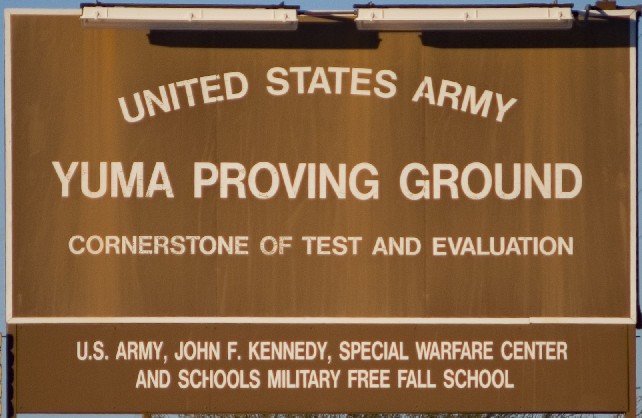
On our drive from Yuma to Lake Havasu the other day we drove through the U.S. Army Yuma Proving Ground. (None of these pictures are my own, and all of the information is from Wikipedia…)
From Wikipedia:
Yuma Proving Ground is a United States Army facility and one of the largest military installations in the world. Situated in southwestern La Paz County and western Yuma County in southwestern Arizona, U.S., approximately 30 miles north-east of the city of Yuma, the proving ground is used for testing military equipment and encompasses 1,307.8 square miles in the northwestern Sonoran Desert.
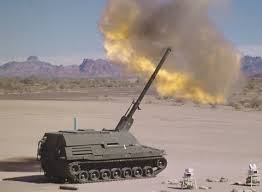
Tests are done on nearly every ground combat weapon system.
Over 3000 people work at the proving ground. Surprisingly most of these workers are civilians. The facility, the largest single civilian employer in Yuma County, pumps over $430 million into the economy each year.
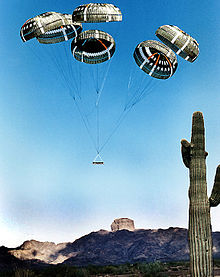
Over 500,000 artillery, mortar, and missile rounds are fired each year. Nearly 40,000 parachute drops are completed. And over 200,000 miles are driven on military vehicles.
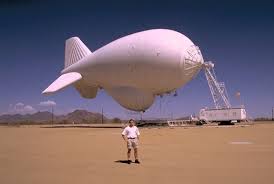
While we were driving by we saw a HUGE tethered balloon and a smaller drone circling that balloon. Turns out it’s a TARS (tethered aerostat radar system). It’s so big we saw it from Yuma, 30 miles away.
A small amount of on-site training is done at the facility each year because it provides such a realistic desert training facility.
Props of villages and road systems resembling Southwestern Asia have been built and are used for testing counter-measures to the threat of roadside bombs.
General Motors has recently built a facility here after closing it’s testing facility in Mesa, Arizona, which had been in operation since 1953. The new facility cost over $100 million, and is used to test nearly 80% of the Army’s wheeled vehicles–regardless of the make.
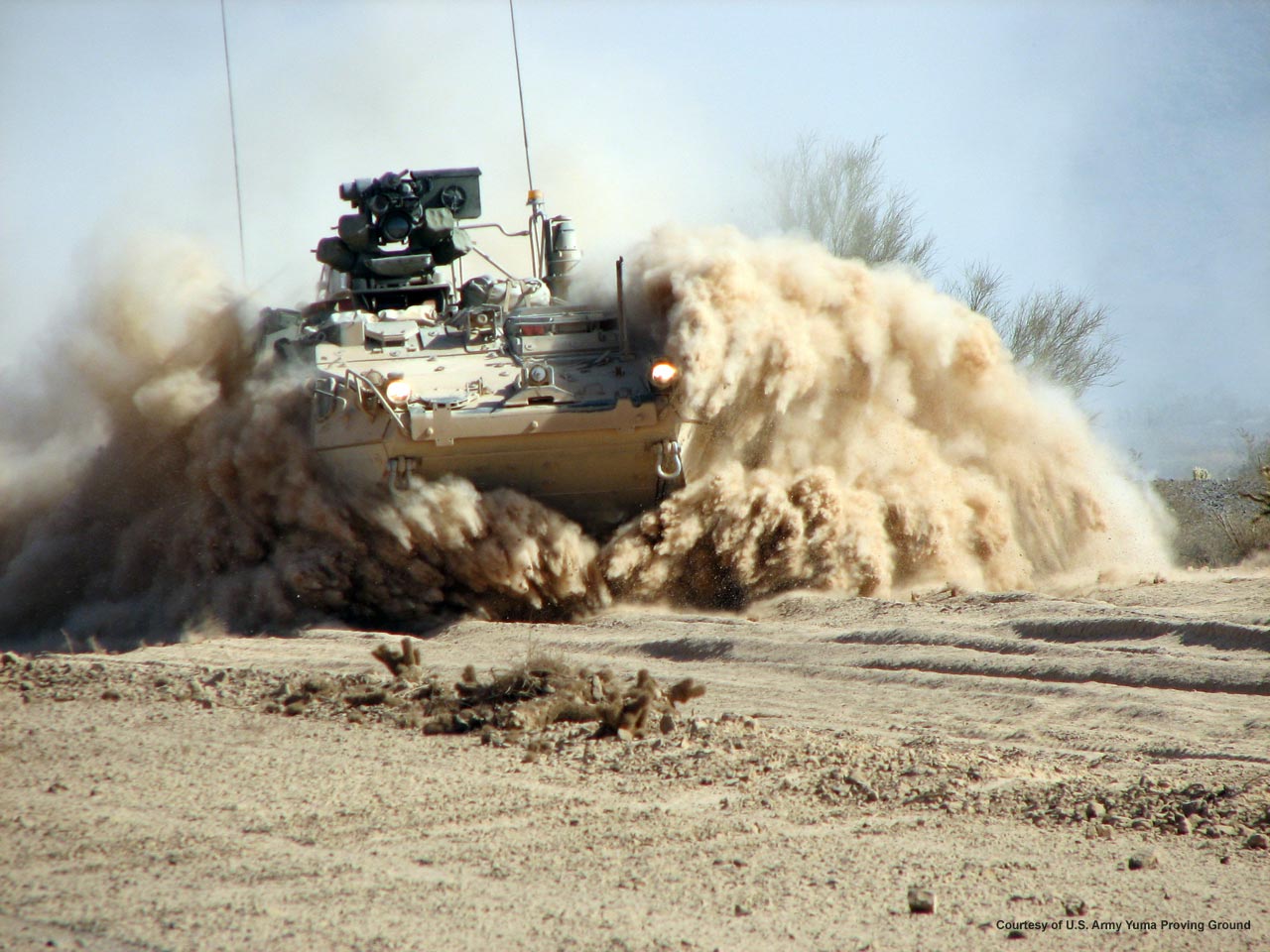
The Yuma Proving Grounds was chosen for its ideal climate and geography. The area gets about 3 inches of precipitation per year and gets at least 350 days of sunshine. It is separated from Yuma by a small mountain range, so there’s little effect on the Yuma residents.
Other countries use the proving ground including Japan, Canada, Saudi Arabia, France, and England.
NASA has performed numerous tests at the site, particularly for parachutes should rocket launches abort.
About 18 months ago, Marine Corps free fall instructors honored one of their own by releasing a comrade’s ashes mid-air above the Phillips Drop Zone on Yuma Proving Grounds in Arizona.
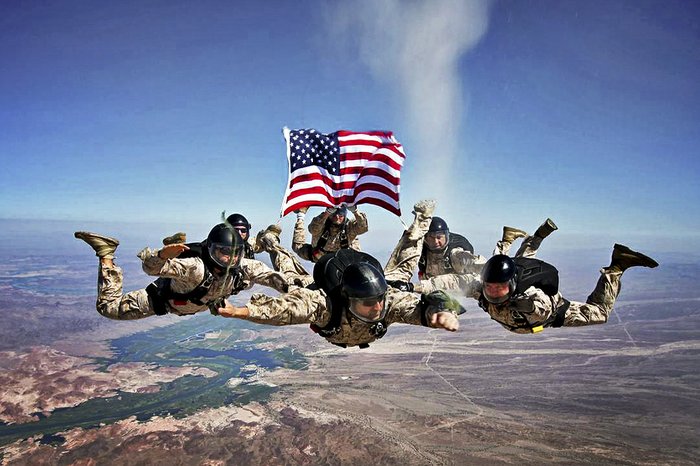 Profoundly sad, patriotic, and beautiful…